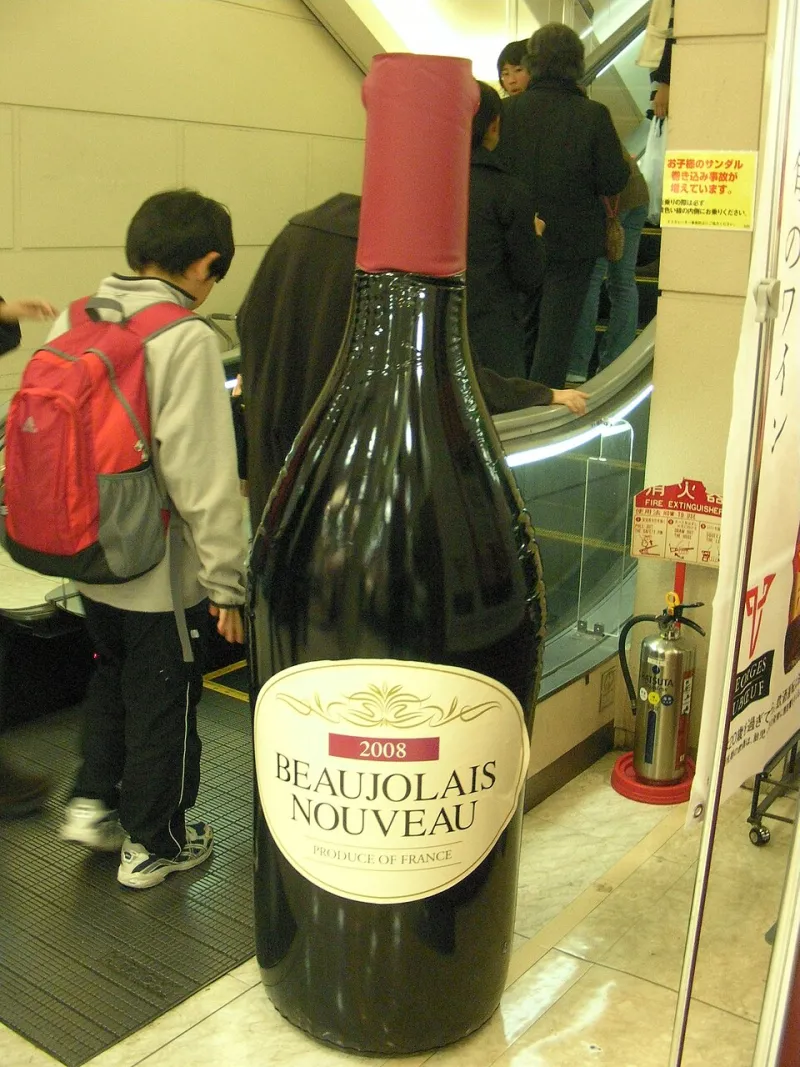
New Wine, Old Friends: A Beaujolais Night Without the Theatre
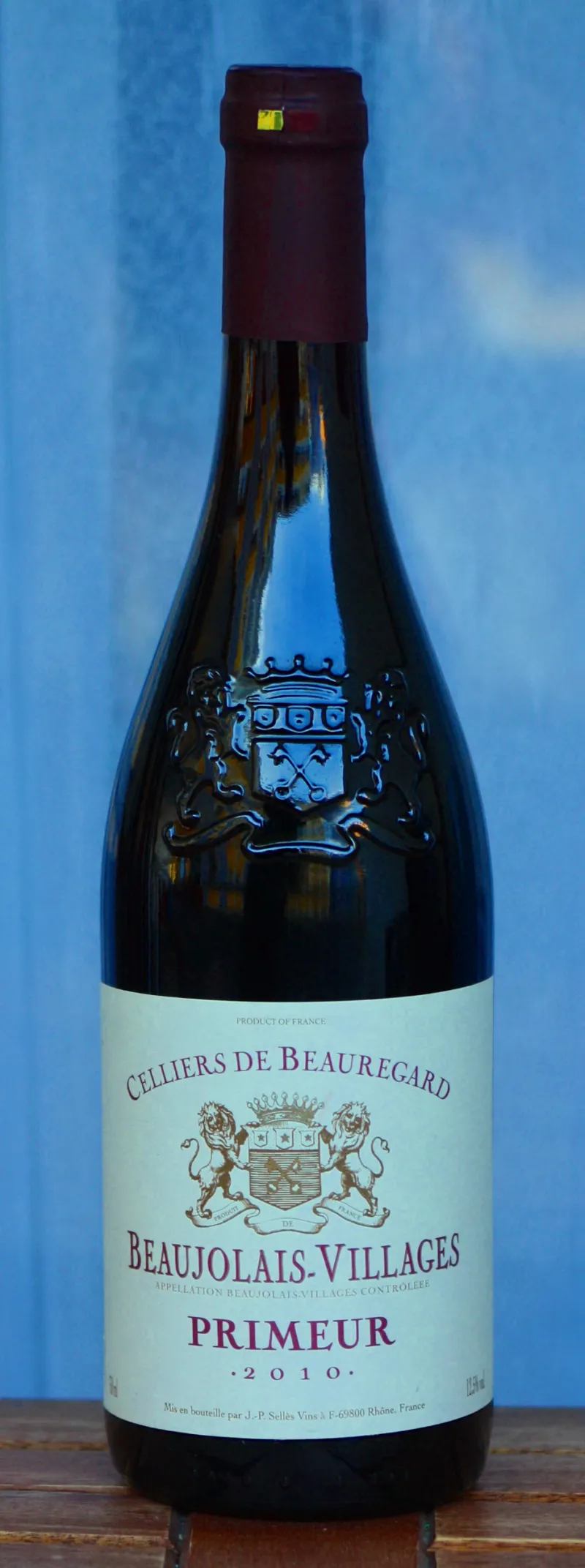
Photo: Usien, CC BY-SA 3.0, via Wikimedia Commons
The third Thursday, without the circus
On 19 November 2026, the third Thursday of the month, cases of Beaujolais Nouveau will arrive in Britain with the usual clatter of press releases, delivery races and bar promotions. It is a fine excuse for a party. It is a poor excuse for a gimmick.
The wine itself is young, cheerful and uncomplicated: Gamay from the Beaujolais region, made quickly and released barely weeks after harvest. It is not built for the cellar, and it is not asking to be taken too seriously. That is precisely why it suits a bistro. A good bistro night does not need solemnity. It needs a table, a few good things to eat and a reason to stay a little longer than planned.
So treat the date as a cue rather than a command. Put it in the diary, tell a few people, chill some bottles and make sure there is something decent to eat. The rest is atmosphere.
What the wine actually is
Beaujolais Nouveau is made by carbonic maceration, a technique that encourages bright fruit rather than tannic structure. The result is juicy, pale and low in grip, with redcurrant, raspberry and sometimes a faintly bubblegum note from the fermentation. It is best drunk cool but not icy, and it is at its most appealing in the first few months after release.
It is not the same thing as Beaujolais-Villages, and it is certainly not one of the serious cru bottlings from Fleurie or Morgon. Those wines deserve their own evening. Nouveau is the harvest party in liquid form: fresh, fleeting and meant to be shared.
The mistake UK restaurants make is to dress it up as something it is not. It does not need a tasting flight, a sommelier’s lecture or a balloon glass. It needs a carafe, a sensible price and a plate of something salty or rich enough to meet its acidity.
How a British bistro should serve it
Serve it at about 13–14°C. That is cellar cool rather than fridge cold. If the bottle has been in the walk-in, give it ten minutes on the bar before pouring. A small wine glass or a decent tumbler is fine; a flute is not. This is a wine for drinking, not for admiring.
List it by the glass and by the carafe, and keep the bottle price honest. Beaujolais Nouveau is not a luxury product, and pricing it like one makes the whole exercise feel hollow. Brief the staff so they can explain it in one sentence: young Gamay, fresh and fruity, here for a good time rather than a long time.
Keep the food offer narrow. A short specials board works better than a full menu rewrite. Bar snacks, a couple of starters and one generous sharing plate will do more for the evening than a printed tasting menu nobody asked for. And resist the urge to decorate the room with French flags and plastic grapes. A chalkboard line and a warm welcome are enough.
What to put beside it
Potted crab is close to perfect: sweet, rich and just salty enough to make the wine’s acidity useful. Smoked mackerel pâté on toast works on the same principle. A slab of comté, cut thickly and brought to room temperature, is perhaps the least effortful pairing in the whole bistro repertoire, especially with a few cornichons and a handful of walnuts.
If you want something hot, think along the lines of a mushroom and chestnut tart, a ham hock croquette or a simple roast chicken with tarragon. Avoid anything too tannic, too spicy or too sweet. Beaujolais Nouveau is a sociable wine, not a competitive one.
British ingredients wear this kind of food well. Cheddar and oatcakes, a good pork pie, pickled shallots, a little pot of rillettes with sourdough: none of it is complicated, and all of it says welcome. The point is not to create a French theme park. The point is to make the wine feel at home.
Hosting notes, restaurant and home
For restaurants, the best approach is to treat it as a one-night event with a light touch. Order carefully, because the wine does not improve with time. Train the team, price it accessibly and put a few matching snacks on the board. If it sells out, let it sell out. There is no virtue in forcing the last case on a Tuesday in December.
For home diners, buy two bottles rather than one. Chill them for half an hour, open them without ceremony and serve them with a board of comté, charcuterie, pickles and good bread. If you want to be generous, add potted crab or a warm tart. Invite the neighbours. Put the bottles on the table and stop worrying about tasting notes.
The third Thursday is not a sacred feast. It is a reminder that wine is a social drink, and that a bistro’s real work is making people feel they can stay for one more glass. Beaujolais Nouveau is not a wine to collect. It is a wine to finish. That is a rather good thing to raise a glass to.