The Seat That Isn't Trying: A Defence of the Bistro Corner

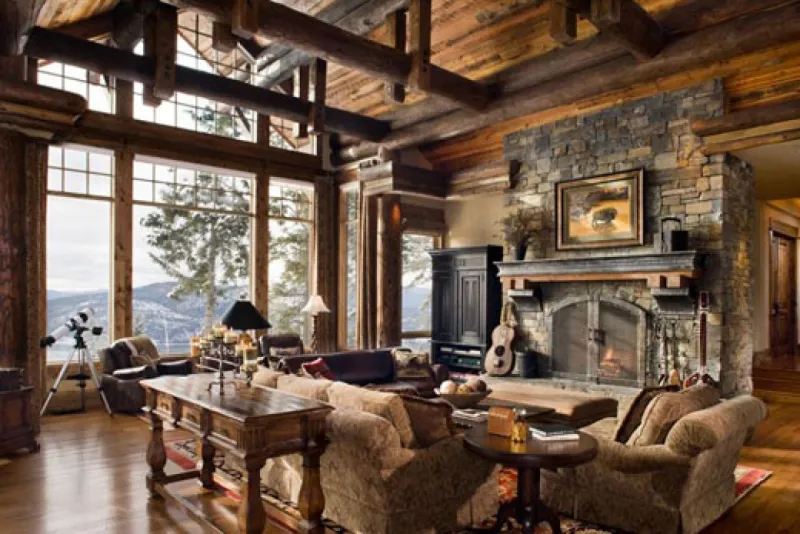
Photo: cosy corner table in a French bistro restaurant with banquette and warm lighting, via www.saltwateraquariumblog.com
The least glamorous seat, and why it wins
There is a particular kind of table in every good bistro that nobody photographs. It is not by the window. It is not at the bar. It is tucked into the corner, often beside a radiator, a coat stand or a wall that could do with a lick of paint. It is the table that gets offered last and remembered longest.
The corner table is not the best table because it is hidden. It is the best table because it is honest. It does not ask you to perform. You can eat with your elbows on the table, argue about the wine list, read the last few pages of a book or sit in comfortable silence without feeling that you are letting the room down. In a British bistro, that is a rare and valuable thing.
This is a small manifesto, not a planning application. But the corner table deserves a defence.
A seat with a different job
The window table has a job: it advertises the restaurant to the street and gives the diner a view. The bar has a job too: it offers theatre, company and the possibility of a conversation with a stranger. Both are good. Neither is neutral.
The corner table has no such duties. It is not there to be seen. It is there to hold a conversation, a plate of something hot and a bottle that is going down more quickly than expected. It is the bistro’s equivalent of a good armchair: not the most impressive piece of furniture in the room, but the one you actually want to sink into.
That is why it suits the British diner so well. We are a nation of people who like to be looked after without being watched. We order a second coffee and then apologise for taking the table. We say we must be going and then stay for another twenty minutes. The corner table gives us permission to do all of this without an audience.
The room has to meet it halfway
A corner table only works if the restaurant treats it as a table rather than a storage solution. It should have proper light, not a candle that gutters every time the door opens. It should have enough space for two people to sit side by side or opposite without playing footsie with the coat rack. It should be far enough from the pass to avoid the clatter of plates, but close enough that you can catch someone’s eye when you need another glass of wine.
Banquettes help. So does a bit of distance. The best corner tables feel like a small room within a room, even if they are only a metre from the next diner. A well-placed mirror can make the space feel less like a punishment. A bad corner table is a table shoved into a gap and forgotten. A good one is a deliberate act of hospitality.
Restaurants should also resist the temptation to banish the corner to the back of the booking system. If it is a good table, it should be bookable. If it is a bad table, fix it. There is no reason the least glamorous seat should also be the least comfortable one.
Service at the right rhythm
The corner table asks for a particular kind of service: attentive but not intrusive. Water should appear without a speech. Bread should arrive before the wine is poured. The wine should be kept somewhere visible, not whisked away to a far-off fridge. When the plate is finished, it should be cleared without a performance. When the diner wants the bill, they should be able to ask for it without waving like a castaway.
This is not complicated, but it is easily forgotten. Corner tables can be out of sight, and out of sight can become out of mind. Good staff know to look. They know that a glance across the room is sometimes enough. They know that a table which has been left alone for twenty minutes is not necessarily a table that wants to be left alone for forty.
For the diner, the rhythm matters too. The corner table is not a licence to camp from six until eleven. It is a licence to settle. Order in stages. Start with a glass and a snack. Add a starter if the mood takes you. Keep the wine on the table rather than in a bucket at the other end of the room. Use the table well, and the restaurant will be glad to have you in it.
How to book and use it well
Ask for the corner table directly. Do not ask for a quiet table, which sounds like a complaint about the restaurant’s own atmosphere. Say that you would like the corner if it is free, and be prepared to take another table if it is not. The best corner tables are usually booked by people who know they exist.
If you are a party of two, avoid taking a four-top in the corner at peak time unless the restaurant offers it. That is not a manifesto point; it is simple decency. If you want to linger, book later or earlier. If you want to talk about something important, tell the restaurant when you book. A good bistro will understand.
And if you are lucky enough to get the corner, use it for what it is good at: conversation, unhurried eating and the pleasant feeling that the evening belongs to you rather than to the room. The view is not the point. The view is your companion.
The view from the corner
A bistro is not a stage set. It is a place where people come to be fed, warmed and left alone in the right measure. The corner table is the clearest expression of that idea. It is the seat that does not try too hard. It is the table that says: sit down, stay a while, and let the rest of the room get on with itself.
In a British bistro, that is not a consolation prize. It is the whole point. So next time you book, ask for the corner. And if the restaurant has not thought about it yet, tell them. Gently. Over a second glass of something cold.