A Bottle Under the Arm: The Civilised Pleasure of Corkage
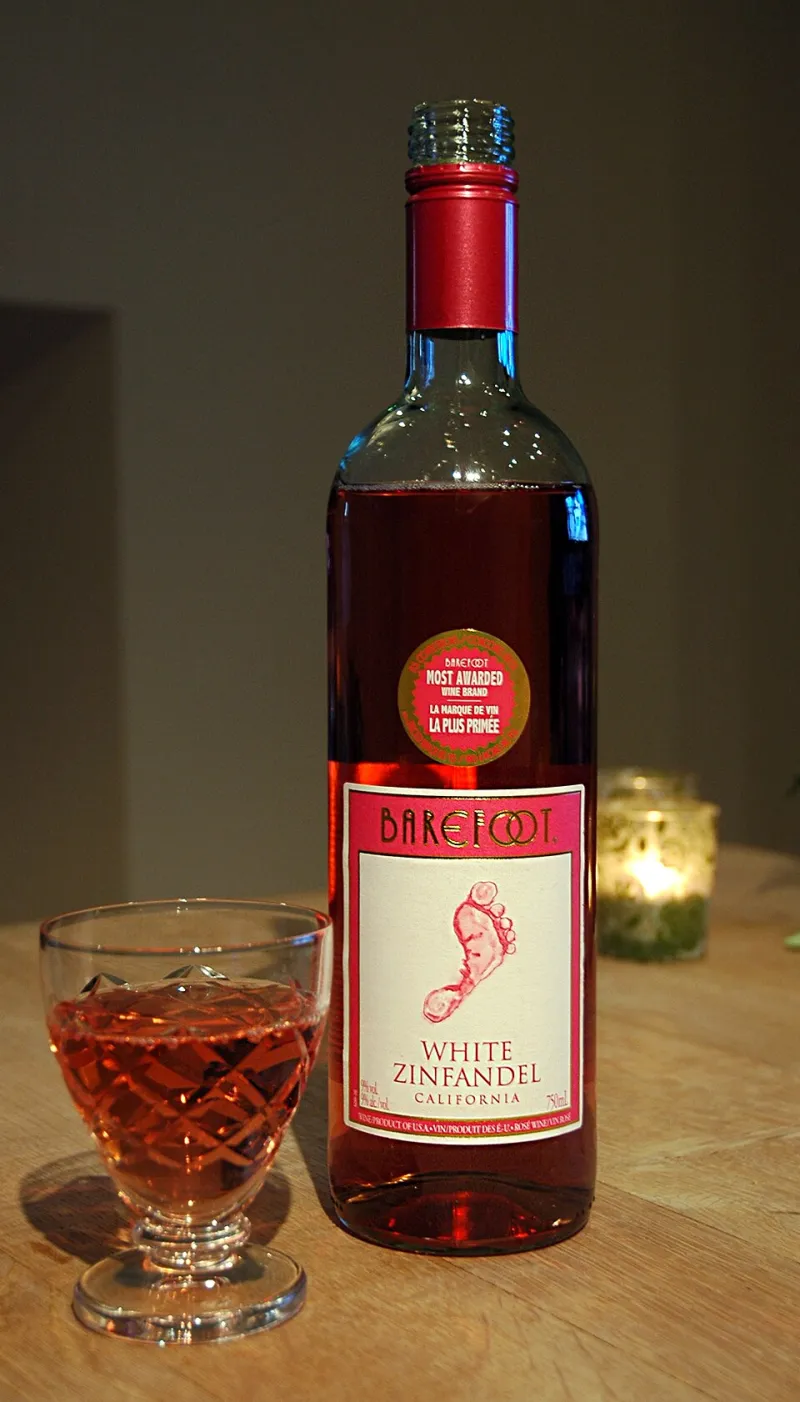
Photo: DimiTalen, CC0, via Wikimedia Commons
Corkage has a reputation problem. Say the word and some people picture a diner negotiating the bill like a car boot sale, or a restaurant grudgingly producing an opener. In a good bistro, it is nothing of the sort. It is a quiet arrangement: you bring a bottle you care about, the kitchen and floor team make room for it, and everyone ends up with a better evening. At its best, corkage is hospitality with the door left slightly open.
A small ritual, not a standoff
British bistros have always been good at this sort of flexibility. The menu is short, the room is relaxed and the wine list does not need to carry the whole evening on its shoulders. Corkage suits that mood. It says the table is yours for a couple of hours, but the bottle is yours too. It also says something rather old-fashioned and rather nice: that a restaurant can trust a diner to bring something good, and a diner can trust a restaurant to serve it properly.
That trust is why corkage feels different from a discount. It is not about getting away with something. It is about adding a personal note to a simple meal. A bottle from a holiday, a wine club find, a slightly smarter than usual Tuesday purchase—these things have a story. A bistro is a good place to tell it.
Choosing a bottle that earns its place
The bottle should not arrive with a point to prove. Bring something with manners: a wine that sits comfortably beside roast chicken, a plate of mushrooms or a wedge of soft cheese. Big, oaky, high-alcohol wines tend to bully a bistro menu rather than flatter it. So do very precious bottles. Corkage is not the moment for a once-in-a-decade Burgundy, partly because the glassware may not deserve it and partly because you will spend the evening watching it rather than enjoying it.
A few reliable directions:
- Muscadet or dry Loire Sauvignon with fish soup, oysters or a lemony starter. Crisp,盐水? No—crisp, unshowy and very good with a plate of radishes and butter.
- Dry Riesling with pork rillettes, smoked fish or anything with a little richness. It has more generosity than people expect.
- Beaujolais or a light Côtes du Rhône with steak frites, charcuterie or a mushroom tart. Nothing too serious, nothing too thin.
- English sparkling wine if you want the evening to feel like an occasion without turning into a ceremony. It also suits a bistro apéritif beautifully.
- A dry sherry or vermouth if you are eating at the bar and want one perfect glass before dinner.
The rule of thumb is simple: choose a bottle you would happily drink in a kitchen, not one you would save for a lecture. A bistro table is a kitchen table with better chairs.
The etiquette that keeps it generous
Corkage only works when it is handled with a light touch. A few habits make all the difference.
Ask before you arrive. A quick phone call or email is enough. Some bistros offer corkage only on certain nights, some cap it at one bottle per couple, and some would rather you did not bring a wine that is already on their list. All of that is fair. Asking is not a negotiation; it is good manners.
Check the list first. If the bistro sells the same wine, buy theirs. If they have a lovely house white at a sensible price, consider drinking that and saving your bottle for home. Corkage should feel like a partnership, not a workaround.
Pay the fee without a pantomime. A corkage charge is not an insult. It covers glassware, service, washing up and the space your bottle takes up on a table that could have sold something else. If the fee seems high, drink somewhere else. Do not argue it at the table.
Order the rest of the meal properly. Bring a bottle, but do not bring your own bread, your own olives and your own opinion about the service charge. The bistro is still feeding you. Order a starter, order a pudding, order a coffee. Generosity tends to travel in both directions.
Offer a taste if it feels natural. A small pour for the person opening the bottle is a nice gesture, but it should never be a condition. The point is to share the pleasure, not to make a performance of it.
Tip on the whole evening. Corkage does not make the service disappear. If anything, a bottle that has been looked after deserves a little recognition.
Dishes that welcome a bottle
Some bistro food is made for this. Roast chicken with tarragon and a dish of green beans is almost designed for a light red or a rich white. Steak frites wants something juicy and uncomplicated. A mushroom tart, all buttery pastry and woodland flavour, is happy with a glass of dry sherry or a gentle Pinot Noir. Fish soup and a swipe of rouille welcome Muscadet. And a cheese board—properly kept, not fridge-cold—will forgive almost any bottle you bring, provided you also order a second glass of something.
The quiet joy
Corkage is not the cheapest way to drink wine, and it is not meant to be. It is a small, civilised pleasure: the bottle under the arm, the table booked for seven, the cork pulled by someone else. It makes a simple supper feel considered. It gives a Tuesday a bit of shape. And in a bistro, where the best evenings are rarely the most complicated ones, that is exactly the point.