The Board Is Not a Footnote: Putting Cheese at the Heart of the Bistro Table
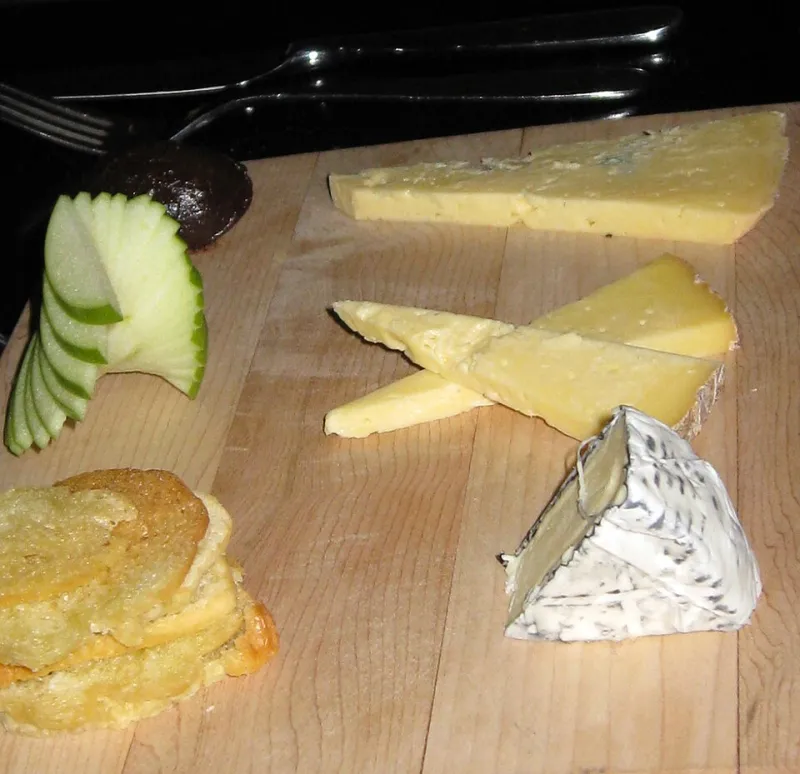
Photo: Ruth Hartnup from Vancouver, Canada, CC BY 2.0, via Wikimedia Commons
Cheese has a strange status on the British bistro menu. It is listed, usually in small type near the bottom, as though the kitchen is offering it under duress. It arrives fridge-cold, cut into battens, with a bunch of grapes and a cracker that tastes of sawdust. The message is clear: this is the bit before the coffee, the thing you order when you cannot manage pudding. That is a waste. A good cheese board is not a footnote. It is one of the most generous courses a bistro can serve, and it deserves top billing.
The afterthought problem
Part of the trouble is the word 'board'. It suggests something assembled rather than cooked, a fallback for the indecisive. Too many menus treat cheese as a garnish for the dessert list, or as a box to tick for people who do not eat sugar. The result is a plate of cold, uniform wedges with no rhythm and no point of view. You can tell when a kitchen has thought about its cheese: the pieces are cut to suit what they are, the temperature is right, and the accompaniments are there to help rather than to decorate.
Why cheese belongs at the centre
At a proper bistro, the cheese course is the moment the meal changes gear. It is slower than pudding, less sweet, more conversational. It asks you to sit back, pour another glass, and stop treating dinner as a sequence to be got through. It also suits the way we eat now: seasonal, local, a bit French around the edges. British cheese has never been better. We have farmhouse cheddar, soft bloomy rinds, blue veins, washed-rind stinkers and buttery Lancashire. French bottles are natural companions.
If a bistro wants to show its character, the cheese board is a good place to do it. It can be regional, or it can be a short, confident list. It can change with the season. It can be the difference between a nice supper and a meal you remember on Wednesday morning.
Build a board for two
Three cheeses is plenty for two people. One hard, one soft, one blue is a reliable shape, though you can swap the blue for something washed-rind if you prefer. Aim for about 250-300g in total if the board is the main event; 150-180g if it follows a main course. Ask for them to be cut properly: a wedge of cheddar, a spoonable piece of soft cheese, a generous lump of blue. Nothing cubed.
Let the cheese come to room temperature. This is not a fussy rule; it is the difference between tasting butter and tasting a fridge. Half an hour on the counter is usually enough. Serve bread as well as crackers, and not too many of either. A few oatcakes or a thin slice of sourdough is there to carry the cheese, not to compete with it.
For accompaniments, think about season. In November, that means quartered pears, a few walnuts, perhaps a spoonful of quince paste. In summer, radishes and a little sea salt. Keep chutney on the side rather than under the cheese. A single knife per cheese is ideal; if you do not have enough, wipe the blade between them.
British cheeses with a French accent
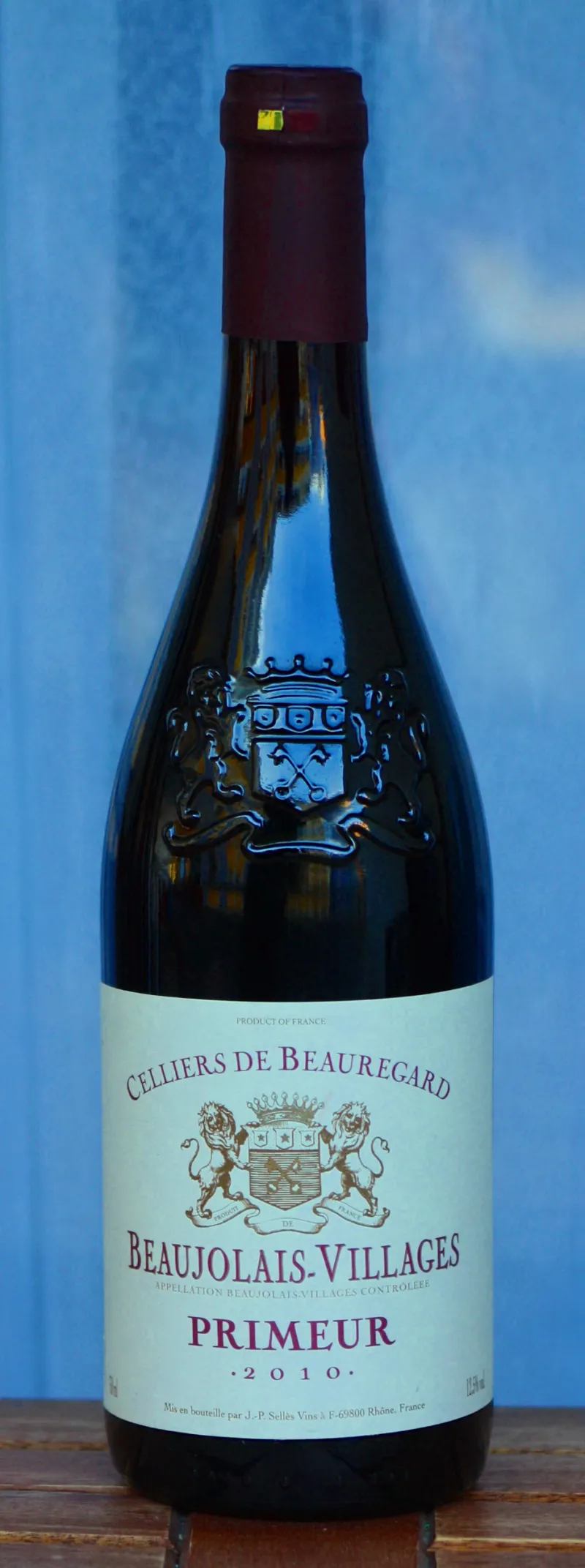
Stichelton is a wonderful place to start: creamy, blue, and not too sharp. It sits happily beside a glass of Sauternes. Montgomery's cheddar is nutty and firm, good with a left-bank Bordeaux or a Chinon. Tunworth, that soft, oozy Hampshire cheese, is lovely with Champagne. Mrs Kirkham's Lancashire is buttery and gentle, and a Beaujolais brings out its sweetness. Berkswell, a firm ewe's-milk cheese, works with Sancerre. None of this is a rule. It is a set of suggestions for people who would rather drink well than worry.
The order of service
In a bistro, cheese usually comes after the main course and before pudding, or instead of pudding. If you are having both, serve cheese first: the sweetness of dessert will flatten it otherwise. At home, the same logic applies. Put the board on the table, open a bottle, and let people help themselves. A small glass of something sweet with the blue is not showing off; it is just good manners to the cheese.
The weeknight occasion
This is the part that matters. You do not need a restaurant to make a board feel like an event. A Tuesday in November can be improved immeasurably by three good cheeses, a baguette, a pear and a glass of Beaujolais. It takes ten minutes to assemble and no time at all to feel like a proper occasion. The point is not extravagance. It is attention. A modest slate of cheese, chosen with a little care, says that supper is worth sitting down for.
That is what a bistro does well: it turns the ordinary into something hospitable. The cheese board should be leading that charge, not trailing behind the pudding menu. Give it the headline. The fromage has earned it.