The Cup That Closes the Meal: Rethinking Bistro Coffee
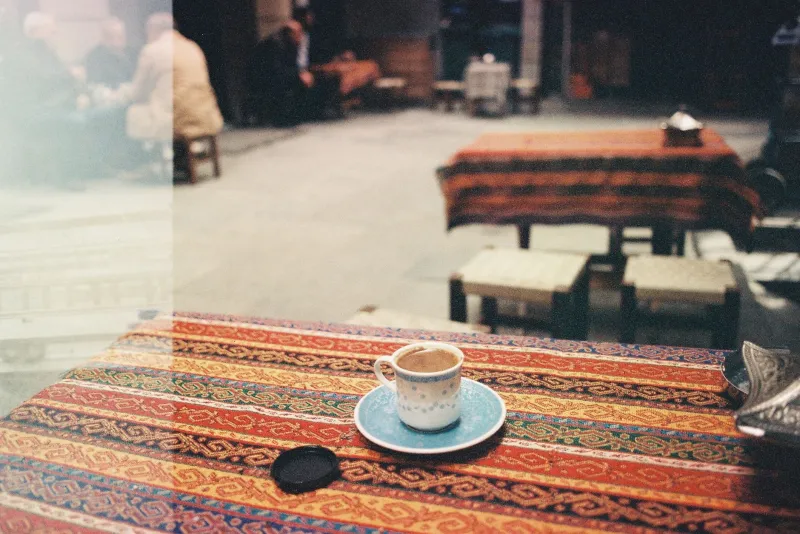
The bill is not the end of a bistro meal. Neither, strictly speaking, is the coffee. But the coffee is the last thing many of us taste, and often the last thing we remember on the walk home. It is the handshake at the door and the final note in a piece of music. Yet in plenty of otherwise thoughtful UK bistros, coffee still arrives as a vague afterthought: a lukewarm filter, a bitter espresso, a saucer with a sachet of sugar and no ceremony. For a place that fusses over the provenance of a chicken or the age of a Comté, that feels like a missed opportunity.
The course that never makes the chalkboard
Wine lists are pored over. Menus are rewritten with the seasons. The coffee, meanwhile, can sit in the same tin for months, ground too far in advance, or made on a machine that has not seen a proper clean since the summer. The result is a small dissonance at the end of an otherwise generous meal. You have been looked after beautifully, and then the final gesture is a shrug. In France, coffee after a meal is not usually a performance. It is a punctuation mark: short, dark and deliberate, or a gentler filter for those who want to sit a little longer. A British bistro need not mimic a Parisian terrace. It simply needs to treat the last cup as part of the meal rather than something to get out of the way before the next booking.
What good bistro coffee actually means
Good bistro coffee is not about latte art or a lecture on extraction. It is about a clean machine, beans with a roast date, a grinder set with some care, and someone who knows how to make both an espresso and a filter. It is also about choice. A short espresso suits the end of a rich lunch; a soft filter coffee can be more welcome than another glass of wine on a dark November afternoon. Neither needs to be fierce. The cup should be strong enough to stand up to a pudding, but not so aggressive that it tastes like a warning. Decaf deserves equal attention. Too often it is the dusty tin at the back of the shelf, when it should be a proper option for anyone who wants the ritual without the caffeine. A bistro that gets this right is saying something quiet and useful: we are still looking after you.
Small courtesies, not theatre
The details are modest. Warm the cup. Serve water alongside. Offer coffee before the bill, not as an upsell after it. Put a square of something small on the saucer if the kitchen has it, or nothing at all if it does not. What matters is that the coffee is made to order and brought with the same ease as a glass of wine. A bistro does not need a barista bar or a chalkboard of single origins. One good house espresso, one filter, one careful decaf and a local roastery are enough. In fact, a local roastery is very much in the spirit of the place. The wine list has its growers; the coffee can have its roaster. Bristol, Leeds, Glasgow and London all have small roasters doing excellent work, and many will supply a bistro without fuss. Coffee is a local food, too.
The last ten minutes
The final ten minutes of a meal are easy to neglect. The kitchen is winding down, the next sitting is waiting, and the bill has been printed. But this is when hospitality is most visible. A good cup of coffee lets the table relax again. Guests may order one more, not because they need caffeine but because the room is still inviting. A poor one breaks the spell. It says the meal is over, the transaction is complete, and the door is that way. That may sound dramatic for a small cup, but endings are memorable. We recall how an evening finished far more clearly than the second course. The coffee is the last handshake. It should not feel like a formality.
A modest proposal for the coffee list
Put coffee on the menu. Not necessarily a separate leather-bound list, but a line or two that names the roaster, the style and the decaf. Train the team to taste it weekly. Charge properly for it. A bistro that charges three pounds for a coffee and treats it like a freebie will never make it well. A bistro that charges four pounds for something properly made and cheerfully served will find that guests notice. None of this requires a revolution. It requires the same curiosity that already goes into the wine list, the bread and the daily board. The coffee is not a rival to the wine. It is the final course of hospitality.
The cup that says goodbye
A bistro is a room built for lingering, and coffee is one of the kindest ways to linger. It does not demand another bottle or another plate. It simply extends the table for a few minutes more. In November, with the windows steamed up and the afternoon already going dark, that is a generous thing to offer. So the next time you see a bistro fussing over its wine list, look for the coffee. If the last cup is made with care, the chances are the rest of the meal was too. And if it is not, there is still time to put it right before the bill arrives. The last sip should be worth remembering.