Sunday, Held Lightly: The Bistro Lunch That Lets the Afternoon Happen
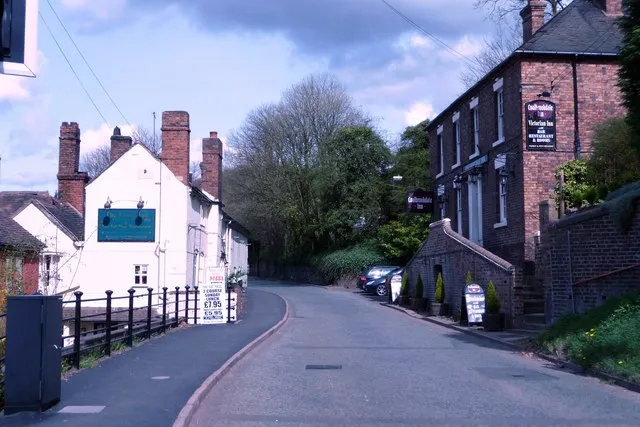
Photo: Anji Carrier, CC BY-SA 2.0, via Wikimedia Commons
There is a particular kind of British Sunday that begins with good intentions and ends with a washing-up mountain. The roast is ordered, the timings are debated, the Yorkshire puddings rise or they do not, and somewhere between the gravy boat and the second pot of tea the afternoon quietly disappears. It is a lovely ritual, but it is not always a restful one.
Across the Channel, Sunday lunch has long been treated less as a performance and more as a place to be. The table is set, the oven is on, and the afternoon is allowed to stretch. In a bistro, that spirit translates beautifully: one sitting, a short menu, a glass of something light, and no quiet pressure to turn the table before the next booking arrives.
One sitting, not a turnstile
The pub roast has its own rhythm, and a very good one it can be. But the Sunday carvery queue, the timed booking and the sense that the kitchen is bracing for a second wave can make lunch feel like a relay race with gravy. A bistro Sunday is different. You take your seat, you stay in it, and the room settles around you.
That single sitting changes the mood. There is no need to order everything at once. The bread arrives. Someone asks about the wine. The first course is a bowl of something warm, or perhaps just a few radishes and good butter. By the time the main plate lands, the table has already found its pace. It is a small thing, but it is the difference between eating lunch and having lunch.
A menu that forgives
A Sunday menu should not ask too much of anyone. The best bistro versions are short, generous and quietly flexible: a pot of something braised, a roast bird, a dish of beans or greens that has been given time and butter. There is usually a fish, often a vegetarian plate that has not been treated as an afterthought, and a pudding that is more about comfort than construction.
The forgiving nature of the menu matters. Sunday appetites are unpredictable. One person wants a full three courses; another wants soup and a glass of white; a third would happily make a meal of cheese and bread. A bistro can accommodate all three without making anyone feel as though they have ordered wrongly. That is not indecision. It is hospitality.
The pot and the bird
Two dishes do much of the heavy lifting on a French-inspired Sunday table. The first is pot-au-feu: beef, root vegetables, a broth that has been simmering long enough to taste of itself. It is not a showy dish. It arrives in a deep bowl, perhaps with mustard and cornichons on the side, and it asks you to slow down. The second is roast chicken, plain and golden, with potatoes cooked in the fat and a handful of watercress. Neither is complicated. Both are deeply reassuring.
This is the sort of cooking that suits a British autumn, when the light is already thinning by late afternoon and there is a chill in the air that a glass of something red does not entirely fix. A bistro Sunday lunch does not try to compete with the pub roast on volume or ceremony. It offers something quieter: a plate that tastes of patience.
Something light in the glass
A long lunch needs a wine that knows when to stop. Heavy reds have their place, but Sunday is not always the moment for them. A chilled Beaujolais, a dry white from the Loire, a pale rosé or even a well-made cider can keep the afternoon buoyant without turning it into a lie-down.
Many bistros will offer a carafe, which is exactly the right vessel for this kind of meal. You order a little more than you need and a little less than you fear. The point is not to drink deeply but to keep the table company. A glass of something light gives the afternoon a gentle shape: another pour, another story, another ten minutes before anyone thinks about the time.
The afternoon, not the deadline
What makes the bistro Sunday lunch work is not a secret recipe. It is the refusal to hurry. Coffee is offered without a hint that the table is needed. The bill does not arrive until you ask. The room may fill, but it does not churn. You are allowed to sit with the last of the wine and watch the light move across the wall.
For British diners, this may be the real appeal. We are good at occasion, but we are not always good at lingering. A Sunday lunch that does not demand a performance, a queue or a precise timetable can feel like a small liberation. The roast will always be there. The pub will always be there. But sometimes the kinder answer is a bistro table, a plate of chicken, a glass of Beaujolais and nowhere else to be.
A gentler weekend table
The Sunday roast is not under threat, and it should not be. It is one of the great British institutions, and a good one is a joy. But there is room for another sort of Sunday, one that borrows the French talent for taking lunch seriously without taking it too hard. A bistro table, a forgiving menu and an afternoon that belongs to nobody but the people around it: that is a weekend ritual worth making room for.