House Pour, Open Heart: What a Bistro's Carafe Reveals
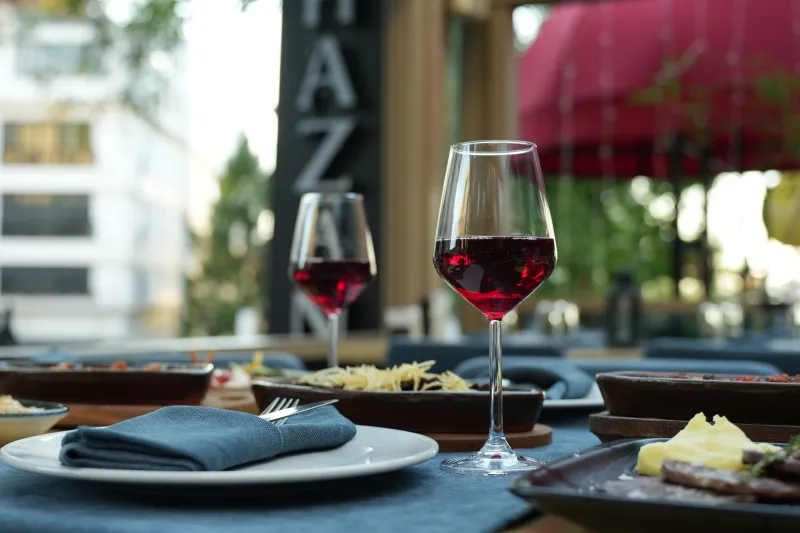
There is a small, telling moment in every bistro. The menus have landed, the water is poured, and the waiter leans in: 'House red?' You can learn a great deal from what happens next. A restaurant can hide behind a thick wine list, full of famous names and careful margins. It cannot hide behind a carafe. The jug is naked. It has to be good enough to drink by the glass, cheap enough to order by the litre, and versatile enough to sit beside whatever comes out of the kitchen. In that sense, the house pour is not the cheap option. It is the honest one.
The quiet audit at the table
A house wine is a daily decision, not a bin-end with a label. A bistro that cares will choose something with enough fruit, acidity and structure to work across the menu — something that flatters a bowl of olives, holds up to roast chicken, and does not sulk when a wedge of cheese arrives. It will store it properly, taste it before service, and pour it at the right temperature. None of this is glamorous. All of it is visible.
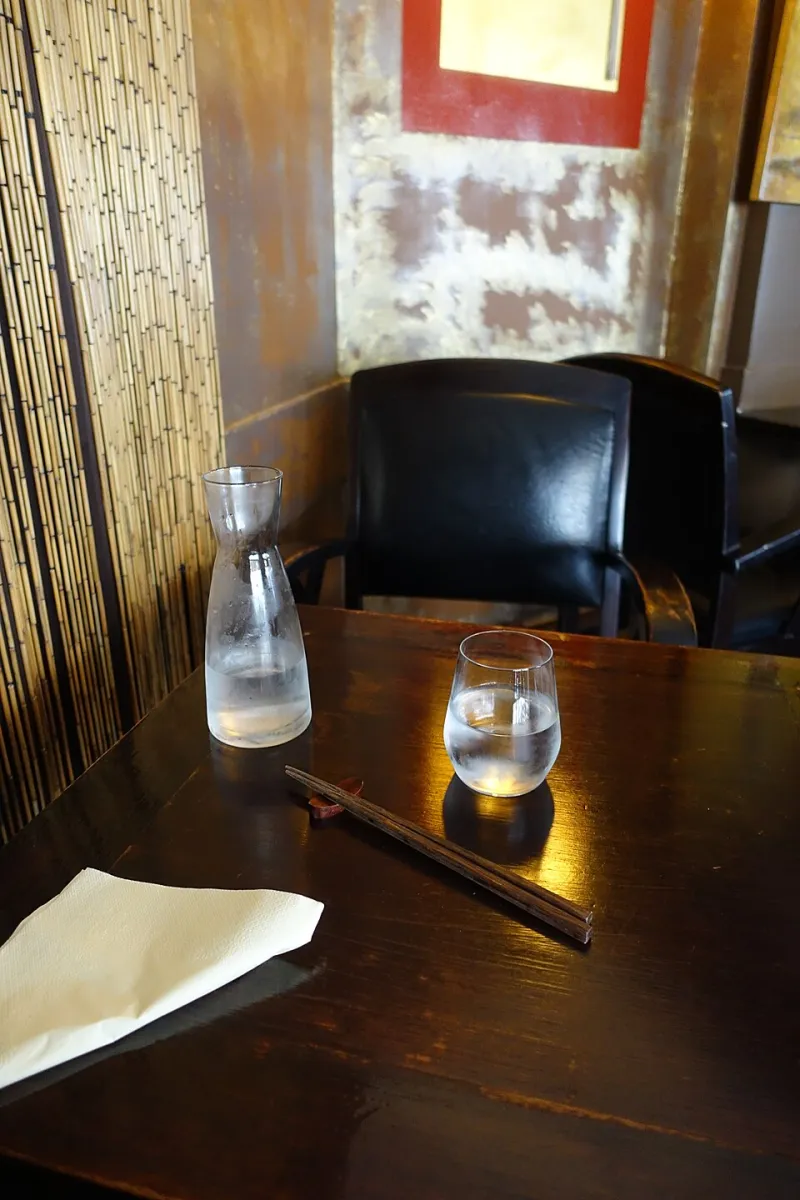
If the carafe arrives warm, tired or grudgingly filled, that is information. If it comes with a jug of tap water, a second glass for the friend who changed their mind, and no fuss at all, that is information too. The carafe is a quiet audit of hospitality. It tells you whether you are being welcomed or merely processed.
The French made wine ordinary
In France, the carafe is not a compromise. It is table furniture. A pichet of red in a neighbourhood bistro is as normal as a basket of bread, and the point is not austerity but ease. Wine is allowed to be everyday. That is a useful lesson for a British bistro, because we have a habit of making wine either intimidating or theatrical. The carafe strips both away.
It also suits our cooking. A good house red for British seasonal food does not need to be grand. It needs to be juicy and adaptable: a Côtes du Rhône, a Beaujolais-Villages, a Loire cabernet franc, a southern French red with a little pepper and grip. For white, think Picpoul, Muscadet, dry Riesling, unoaked Chardonnay or an English Bacchus with a clean, green edge. The nationality matters less than the fit. A house pour should taste as if it was chosen for the menu, not for the invoice.
Red for rain and roast
As the year turns damp and dark, the house red earns its keep. It should be happy with roast chicken, sausages and lentils, mushrooms on toast, root vegetables, shepherd's pie and a piece of Montgomery cheddar. That means moderate tannin, fresh acidity and enough generosity to feel like a second helping. An oaky blockbuster is the wrong tool. If a wine needs a steak to be palatable, it is not a house wine; it is a specialist.
The best carafe reds are the ones you keep reaching for without thinking. They do not demand attention. They make the food taste more like itself. That is a modest ambition, and a noble one.
White beyond summer
A carafe of white in November is not madness. British seasonal cooking gives us cured fish, leeks, apples, roots and creamy sauces, and a brisk white is a useful palate reset between heavier courses. Ask for it properly chilled, but not frozen into submission. A house white should be refreshing rather than austere — somewhere between a tonic and a sermon.
This is also where a bistro can show a little local pride. An English white on the house list, poured by the carafe, says something quietly confident. It does not need to shout about terroir. It just needs to taste clean, lively and made for the table.
How to order without a wobble
Ask what the house pour actually is. Grape, region, style — a good waiter will know, and a good bistro will not mind the question. Ask whether it comes in a carafe and what size. If you are unsure, order a glass first and then decide. There is no shame in that; it is simply sensible. Ask for water alongside, because a jug of wine and a jug of water is one of the most civilised arrangements in dining.
Above all, do not apologise for choosing the carafe. It is not a failure to order the house wine. It is a vote for the kitchen's daily judgement, and often the best-value pleasure on the table.
The price of trust
House wine should feel like value, not a trap. If a 500ml carafe costs nearly as much as a bottle, ask yourself what the pricing is trying to say. A fair carafe encourages a second jug, a longer lunch and a shared plate of cheese. That is not a loss to the restaurant; it is the business model. The list may sell a special bottle, but the carafe sells the room.
So next time you sit down, let the leather list wait for a moment. Ask about the house pour. The answer will tell you about the cellar, the kitchen and the welcome. A good carafe is not humble at all. It is honest — and honesty, with a plate of something seasonal, is the best thing on any bistro table.