Staff of Life, Test of Character: Reading a Bistro by Its Bread
You can learn a lot about a restaurant from the thing it gives away. The bread basket is not a course, not a headline, not something a chef can send out with a flourish and a smear. It is the first physical contact between the kitchen and the customer, and it arrives with almost no theatre at all. That is precisely why it matters.
The first thing you touch
A bistro table is a small stage. The glassware catches the light, the menu promises something, the room hums with the low gossip of other people's evenings. Then a basket appears. It might be lined with a napkin, it might be a plain enamel dish, it might be a wooden board with a few slices fanned out like cards. You tear a piece. You butter it. You take a bite before you have decided what to order. In that moment, the restaurant has told you whether it is paying attention.
Bread is tactile in a way that a menu is not. It is warm or it is cold. It is soft or it fights back. The crust might shatter, or it might bend. You do not need a sommelier to explain it. You just know.
What the basket is really saying
In a world of small plates, tasting menus, and ingredients listed with their postcodes, the bread basket remains refreshingly undressed. It cannot hide behind a foam or a flourish. It is flour, water, salt, time, and heat—and, if the bistro is wise, a little butter. It is the most honest handshake the house can offer.
That is not to say it should be an afterthought. A tired basket—two pale slices, a foil pat of butter, a mean little dish—does more damage than no basket at all. It says the kitchen is going through the motions. It says the welcome is conditional. In a bistro, where the whole point is to feel looked after, that small disappointment travels.
A November basket, built close to home
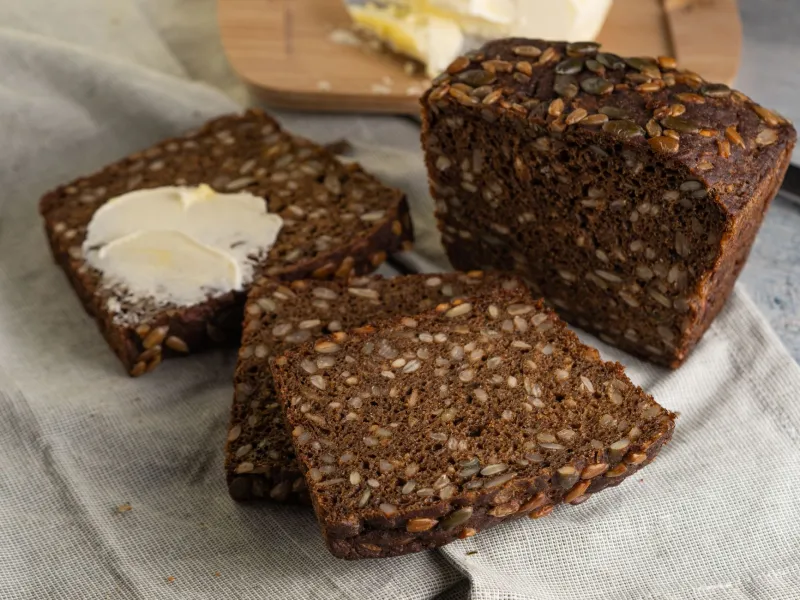
November is a good month for bread with a bit of weight to it. The British bakery case is full of possibilities: dark rye, soda bread made with buttermilk, a wholemeal loaf with a firm crumb, a sourdough with a crust that sounds like footsteps on gravel. None of these need to be fancy. They need to be good.
A sensible bistro basket in late autumn might offer two or three breads, no more. A dark rye brings a gentle sourness that wakes up the palate. A soda bread is quick, honest, and slightly sweet—particularly good with salted butter. A plain white sourdough is the crowd-pleaser, the one that disappears first. If you are buying from a local bakery, ask what is best that day rather than what is most decorative. Bread is not a table centrepiece. It is food.
There is also something quietly British about a basket that leans on wholemeal and buttermilk rather than exclusively on baguette. It feels rooted. It feels like the bistro has looked out of the window and noticed the season.
Butter is not a garnish
If the bread is the handshake, the butter is the eye contact. Cold butter is a small tragedy: it tears the bread, sits in unyielding lumps, and makes the whole ritual feel rushed. Cultured butter, brought to room temperature, is a different thing altogether. It has a faint tang, a softness, a willingness to spread. A little flaky sea salt on top is never a bad idea.
British cultured butter has become genuinely excellent, and a bistro that serves it with confidence is making a quiet statement. You do not need three flavoured butters and a lecture. One good butter, properly softened, is enough. If the kitchen wants to add a second—perhaps a whipped salted version—fine. But the plain one should be the star.
Generosity, not performance
There is a fine line between generous and showy. A basket piled so high that half of it goes stale is not hospitality; it is display. A basket with two thin slices and a request to ask for more is not hospitality either. The sweet spot is somewhere in the middle: enough for the table to share without rationing, replenished quietly if it disappears, and never treated as a billable extra unless the price is honest and the bread is worth it.
In the UK, charging for bread is a fact of life in many places. That is fine, as long as the bread is treated with the same care as anything else on the menu. A paid bread course should feel like a pleasure, not a toll. If it is free, it should feel like a welcome, not a leftover.
Keeping it honest
The best bread baskets do not try too hard. They are warm, simple, and replenished without fuss. They arrive before you have had to ask. They make the first five minutes at the table feel easy—and in a bistro, easy is the whole idea.
So next time you sit down, pay attention to what lands first. The menu can promise all it likes. The bread has already spoken.