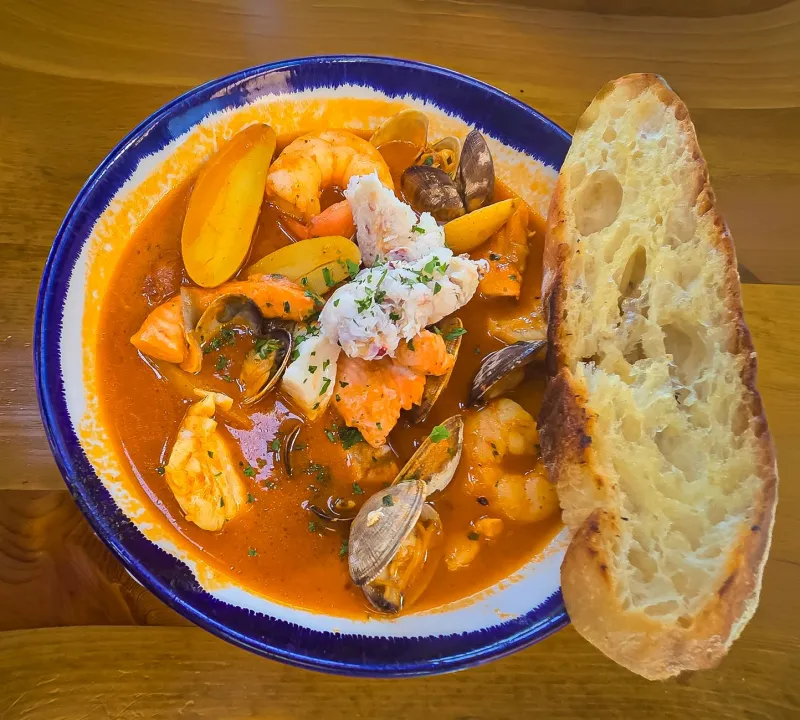
Ladle First: The Case for Soup at the Centre of a November Table
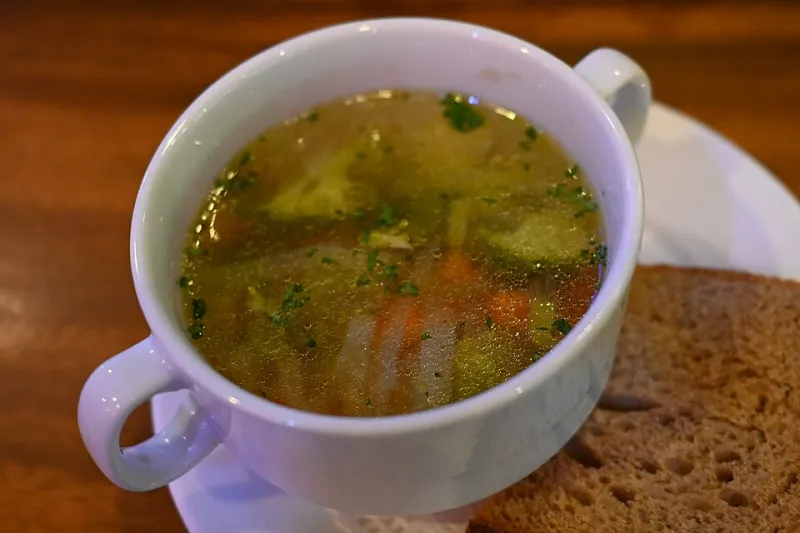
Photo: PattayaPatrol, CC BY-SA 4.0, via Wikimedia Commons
November has a way of making a menu look longer than it is. The roast section stretches on, the cheese board clears its throat, and there, tucked near the top in smaller type, sits the soup. It is often the least dramatic line on the page. In a good bistro, though, it is the kitchen telling you what the season tastes like before anything else arrives.
Soup has never been short of defenders, but it has spent too long being filed under comfort, economy or the thing you order when you are not quite hungry. That is a narrow view. A bowl of soup can be the most honest thing a kitchen sends out: a direct line from the larder to the table, with nowhere much to hide.
The first line is not the least line
On a French bistro menu, potage and velouté have long had a proper place. They are not apologetic little courses. They are the opening sentence of the meal, and they set its pace. The same is true here, or it should be. A British bistro with French habits has a natural advantage in the soup pot: we grow the roots, the pulses and the winter greens that make a bowl worth eating, and we have a long domestic tradition of cooking them slowly until they soften into something generous.
The French contribution is not a secret ingredient. It is technique: sweating onions until sweet rather than brown, building a stock that tastes of something, blending with restraint, finishing with a little butter or cream, and seasoning with confidence at the end. That is the difference between a soup that merely warms you and one that makes you put down your spoon for a second and look at the bowl.
Roots, pulses and a French accent
The seasonal larder in November is not flashy. Parsnips, celeriac, swede, carrots, leeks and squash are doing the heavy lifting. Split peas, lentils and haricot beans are waiting in jars. Kale, savoy cabbage and cavolo nero are at their best after a cold snap. None of this needs to be dressed up as a trend. It is simply what tastes good now.
A rough-edged potage of split peas with a little ham hock is one kind of pleasure: earthy, saline, almost stew-like, and best served with bread that can take a bit of dunking. A silky celeriac velouté is another: paler, more refined, finished with hazelnut oil or a scatter of toasted seeds. Between those two poles sits most of the soup worth eating. One is a bowl with its sleeves rolled up; the other is a bowl in its Sunday best. Both belong in a bistro.
The important thing is that the soup tastes of its main ingredient. Celeriac should taste of celeriac, not simply of cream. Parsnip should be sweet and a little earthy, not sugary. Lentils should have some bite if they are meant to, and soften if they are not. A soup that has been blended into anonymity is a missed opportunity. A soup with a little texture, a little contrast and a clear sense of itself is a proper course.
What to drink with a bowl
Pairing wine with soup can sound like a fussy parlour game, but it need not be. The principle is simple: choose something that refreshes between spoonfuls and does not fight the bowl. Dry cider is one of the most natural partners for a root vegetable soup, especially one with apple or parsnip in it. A Herefordshire or Somerset cider with a bit of bite is a fine thing beside a bowl of celeriac velouté, and it keeps the meal in bistro territory rather than tipping it into formality.
For a smoky lentil or split pea soup, a light red works well: a Beaujolais or a young Côtes du Rhône, served cool enough to keep things easy. For a creamy white vegetable soup, a dry white such as Muscadet or a restrained Chenin Blanc has the acidity to cut through the richness. If the soup has a ham hock or bacon edge, a dry cider or a light red is usually more accommodating than a big white. The point is not to build a lecture around the bowl. It is to find a drink that makes the next spoonful taste better.
A small carafe is ideal. It keeps the table relaxed, lets everyone take what they want, and avoids turning a simple bowl of soup into an occasion that requires a sommelier's blessing. Soup is democratic food. The drinking should follow suit.
The ritual of the first spoonful
Beginning a meal with soup changes the rhythm of the evening. It asks you to sit still for a moment. It gives your hands something warm to hold. It slows down the business of ordering, pouring and deciding what comes next. In a bistro, that pause is not wasted time. It is part of the pleasure.
This is especially true at lunch, when a bowl of soup and a piece of bread can feel like one of the most civilised things you can do alone. There is no performance to it. You are not working through a tasting menu or trying to keep up with a table of opinions. You are simply eating something that was made from what was available, cooked with care, and served hot. That is not a lesser experience. It is one of the oldest and most reliable ones we have.
At Gargotte, we would rather see soup at the centre of the table than at the edge of the menu. Not every bowl needs to be a statement, but it should be given the room to be one. A good soup is a small lesson in seasonality, economy and generosity. It says that the kitchen knows what time of year it is, and that it trusts you to enjoy something simple without needing a garnish to explain it.
A few notes from the kitchen
Sweat, do not scorch. Onions, leeks and celery need gentle heat and a little patience before the stock goes in. Season late, taste often, and remember that a soup cooled slightly will taste saltier than it did from the pan. Finish with something honest: a knob of butter, a spoon of cream, a thread of good olive oil or a scatter of toasted seeds. And serve it hot, in a warm bowl, with bread close by.
November is exactly the right time to take soup seriously. Not as a placeholder, not as a bargain, but as the first proper pleasure of the table. Ladle it out, pour something crisp and cold beside it, and let the meal begin the way it should: slowly, warmly, and with a bowl in the middle.