Sharp Remarks: What the Mustard Pot Says Before the Menu Arrives
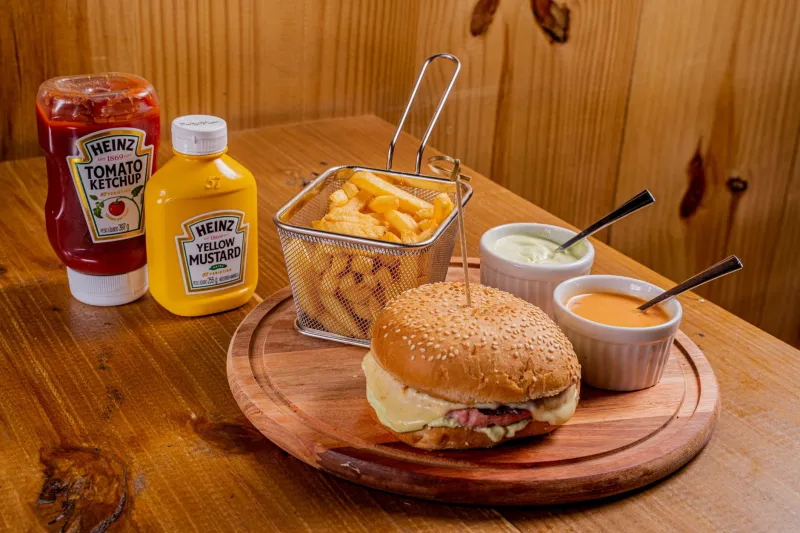
There are grander things to notice in a bistro: the chalkboard, the carafe, the smell of butter meeting heat. But before any of that, your eye may land on the mustard pot. It sits there modestly, often beside the salt and pepper, sometimes with a little spoon, sometimes with a crusted rim and a story. It is a small object with a large opinion.
In a French-leaning bistro, mustard is not merely a condiment. It is a statement of intent. A kitchen that keeps a proper pot on the table — not a sachet, not a plastic mini tub — is saying something about how it wants you to eat: help yourself, adjust as you go, make the plate yours. A kitchen that offers a fierce Dijon alongside a mellow whole-grain is saying something else again. It is saying that it trusts your palate.
The first clue arrives before the bread
Watch how the mustard is presented. Is the pot clean? Is there a spoon? Is it the same pot that has been sitting there since lunch, or does it arrive freshly filled? These are small things, but bistros are made of small things. A mustard pot that has been wiped and topped up suggests a kitchen with an eye for the final inch of service. A pot with a dried collar and a cloudy lid suggests a kitchen that has stopped looking.
Then there is the question of which mustard. Dijon is the bistro classic: sharp, pale, and capable of cutting through a rich sauce without shouting. Whole-grain is the gentler companion, all texture and warmth, good with cold meats and cheese. English mustard is another creature entirely — hotter, more vinegary, almost medicinal in its clarity. For a British diner, that heat is not an assault. It is a homecoming.
Two traditions, one small pot
French bistro cooking and British taste have been flirting for a long time, and mustard is one of the places where the relationship shows. A steak frites with a little Dijon on the side is a French idea. A ham sandwich with a smear of English mustard is a British one. Put them in the same room and you have something interesting: a bistro that knows both languages.
The best sort of Gargotte-style table does not force you to choose. It might offer a pot of Dijon for the steak and a pot of something hotter for the ham. It might use mustard in the vinaigrette, where it helps oil and vinegar hold hands. It might stir a spoonful into a cream sauce for pork, or into the mayonnaise for a remoulade. None of this is showing off. It is simply good cooking, using a cheap ingredient with a long reach.
Mustard is also a useful test of a kitchen’s confidence. A nervous kitchen hides the condiments. A generous kitchen puts them within reach and lets you decide. The difference is not about luxury. It is about hospitality.
What it says on the plate
Consider steak frites. The classic pairing is a spoonful of Dijon next to the meat, maybe a little butter melting into the pan sauce. The mustard should be sharp enough to wake up the beef but not so aggressive that it drowns the chips. A whole-grain mustard can work here too, especially with a slightly fatty cut, where its texture and gentle heat are welcome.
Then consider the British ham sandwich, that quiet national treasure. White bread, good butter, thick-cut ham, and a thin scrape of English mustard. The mustard should be hot enough to make you sit up, vinegary enough to cut the richness, but not so generous that it overpowers everything. It is a balancing act, and a bistro that understands it understands pleasure.
Cheese is another matter. Mustard and Cheddar are old friends, especially in a ploughman’s or a toasted sandwich. With softer French cheeses, a little Dijon can be lovely, but heavy-handed mustard is a bully. The pot should invite, not insist. Dressings are the quiet workhorse: a teaspoon of Dijon in a vinaigrette adds body and a subtle bite, helping the dressing cling to leaves without turning the salad into a mustard bath.
The etiquette of asking
Asking for mustard in a bistro should not feel like a confession. It is not an insult to the chef; it is a request for a tool. The polite way is simple: catch the server’s eye, ask quietly, and say thank you. If the kitchen has already put mustard on the plate, taste first. You may not need more. If you do, ask for it on the side rather than over the top.
There is also pot etiquette. Use the spoon if there is one. Do not double-dip with a knife that has been in your mouth. Pass the pot to your neighbour rather than reaching across. These are tiny civilities, but they keep the table pleasant. A mustard pot is shared property, and sharing is part of the charm.
A generous test
The mustard pot is not the main event. It is not the reason you booked the table. But it is one of the reasons a bistro feels like a bistro rather than a room with food in it. It says that the kitchen expects you to have opinions, and that it is relaxed about them. It says that the table is yours for the evening.
So next time you sit down, glance at the pot before the menu arrives. Is it fierce, mellow, British, French, or a happy mixture of all four? The answer will tell you something about the kitchen — and about the kind of evening you are about to have.