The Jug Arrives First: Reading a Bistro's Welcome in Water
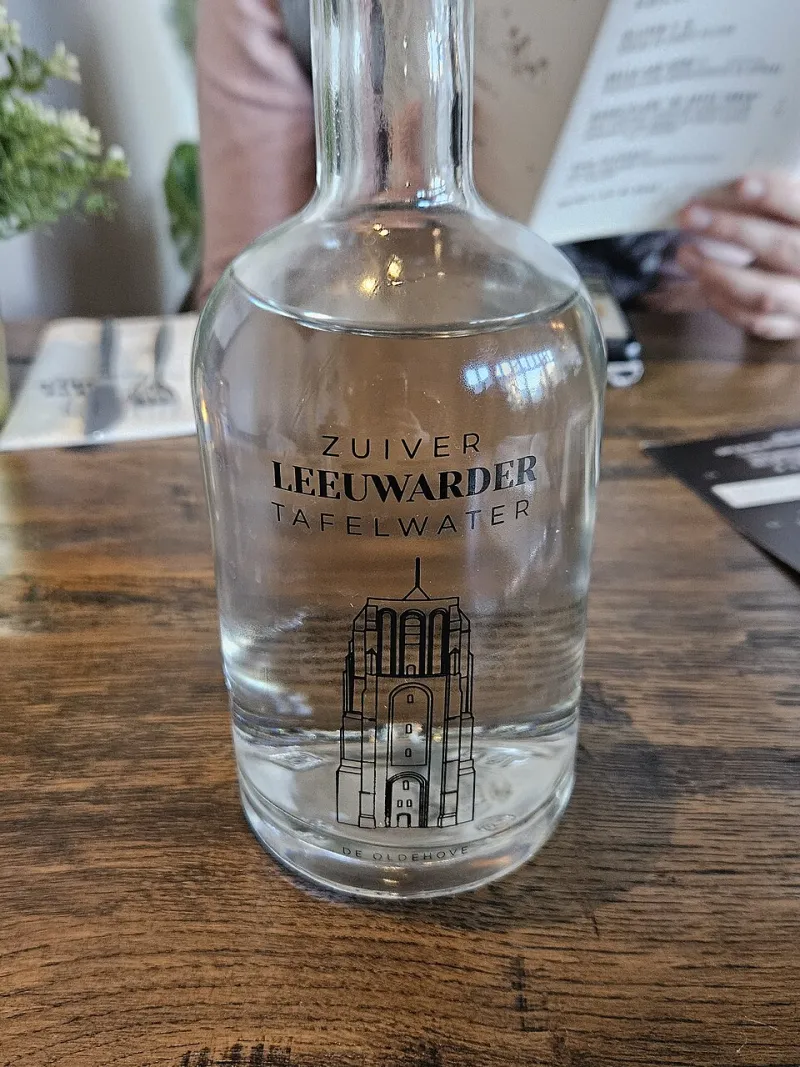
Photo: OmegaFallon, CC BY 4.0, via Wikimedia Commons
There is a particular sound in a good bistro that arrives before the menu: the soft clink of a water jug being set down, followed by the hush of a glass being filled. It is not a grand gesture. Nobody applauds. But it is one of the first real things a restaurant tells you about itself. Before the specials board is explained, before the bread appears, before anyone asks whether you fancy something from the bar, the jug makes its case.
At Gargotte we are interested in these small opening moves. A bistro is not built on fireworks. It is built on a hundred quiet courtesies, and water is among the quietest. It says: sit down, you are here now, we have noticed you. In a country where we are often suspicious of being fussed over, that is no small thing.
The first thing on the table
A jug of water is not merely a practical object. It is a piece of stagecraft. In a French-style bistro, it carries a little of the old cafe habit: the carafe on the table, the glass within reach, the sense that conversation can begin without waiting for service. In a British setting, it carries something else too. It is a permission slip. You can take your coat off, settle into the corner seat and start to talk before you have made a single decision about dinner.
Watch what happens when the jug is brought promptly. Shoulders drop. Menus are still closed. Someone pours for someone else, or perhaps the server does it with a small turn of the wrist. There is no performance in it, but there is care. The table has been given its first bit of weather: cool, clear, uncomplicated.
Watch what happens when it is not brought. Nothing terrible occurs, of course. But there is a small pause, a tiny administrative silence while someone wonders whether to ask. The meal has not begun badly. It has simply begun later than it might have done.
Chilled, room-temperature, or simply there
There are opinions about water in this country, and most of them are held firmly. Some diners want it cold enough to make the glass sweat. Others prefer it cool rather than fierce, especially in November when the walk to the restaurant has already done the chilling. A good bistro does not turn this into a debate. It reads the room.
Chilled tap water is often the default, and rightly so. It is generous, sustainable and refreshingly free of ceremony. But the best places know that cold is not always kind. A jug left out to lose its bite, or a glass of water offered at room temperature without apology, can be just as thoughtful. The point is not the temperature. The point is that someone has considered what you might actually want, rather than what is easiest to pour.
There is also the matter of the jug itself. A plain glass jug, a sturdy carafe, a recycled bottle with a stopper: each has its own accent. The vessel need not be beautiful, but it should feel as if it belongs. A chipped jug speaks of carelessness. An over-polished showpiece can speak of fuss. The right one sits somewhere in the middle, like a good bistro table: useful, modest, quietly pleased to be there.
The quiet art of the refill
If the first pour is a welcome, the refill is a relationship. It is the moment when a restaurant shows whether it is paying attention. A good server will top up a glass without interrupting a sentence. A great one will notice the empty jug before you do. Neither should make a performance of it. The refill is best done as a kind of punctuation, not a paragraph of its own.
This is where water becomes a small test of rhythm. Too much attention and you feel managed. Too little and you feel forgotten. The sweet spot is a bistro that keeps the glass filled without making you feel as though you are being monitored. It is the same skill that governs good bread service, good wine pouring and the timing of the bill. Hospitality is mostly a matter of noticing, and then not making a fuss about having noticed.
In a busy service, the water jug can easily become an afterthought. It should not. A table without water is a table with a small, nagging question at its centre. A table with a jug is a table that has been given permission to relax. That is worth a great deal, and it costs very little.
A British kind of generosity
We are a nation of tea drinkers and tap-water drinkers, of people who say 'just a glass of water, please' and mean it. There is something warmly British about a bistro that takes that request seriously. It does not need to dress it up with lemon and rosemary, though it may. It does not need to insist on bottled water, though it may offer it. It simply needs to bring the jug, and bring it again.
This is not about thrift, although there is a pleasing honesty in free water on a table. It is about atmosphere. A restaurant that gives you water without condition is a restaurant that wants you to stay long enough to be thirsty again. That is a good sign. It suggests the kitchen is not rushing you and the room is not counting your minutes. In a British bistro, that small generosity can feel like the difference between being served and being welcomed.
What the jug promises
The water jug is not the star of the meal. It never will be. But it is the first promise a bistro makes: that the basics will be looked after, that small needs will be met, that the evening will not be made complicated before it has even begun. It is a quiet promise, made in glass and cold water.
So next time you sit down and the jug arrives before the menu, notice it. Notice the pour, the refill, the way it sits within reach. It is only water, of course. But in a good bistro, it is also the opening line of a conversation that says: you are welcome here. And that, before anything else arrives, is worth raising a glass to.